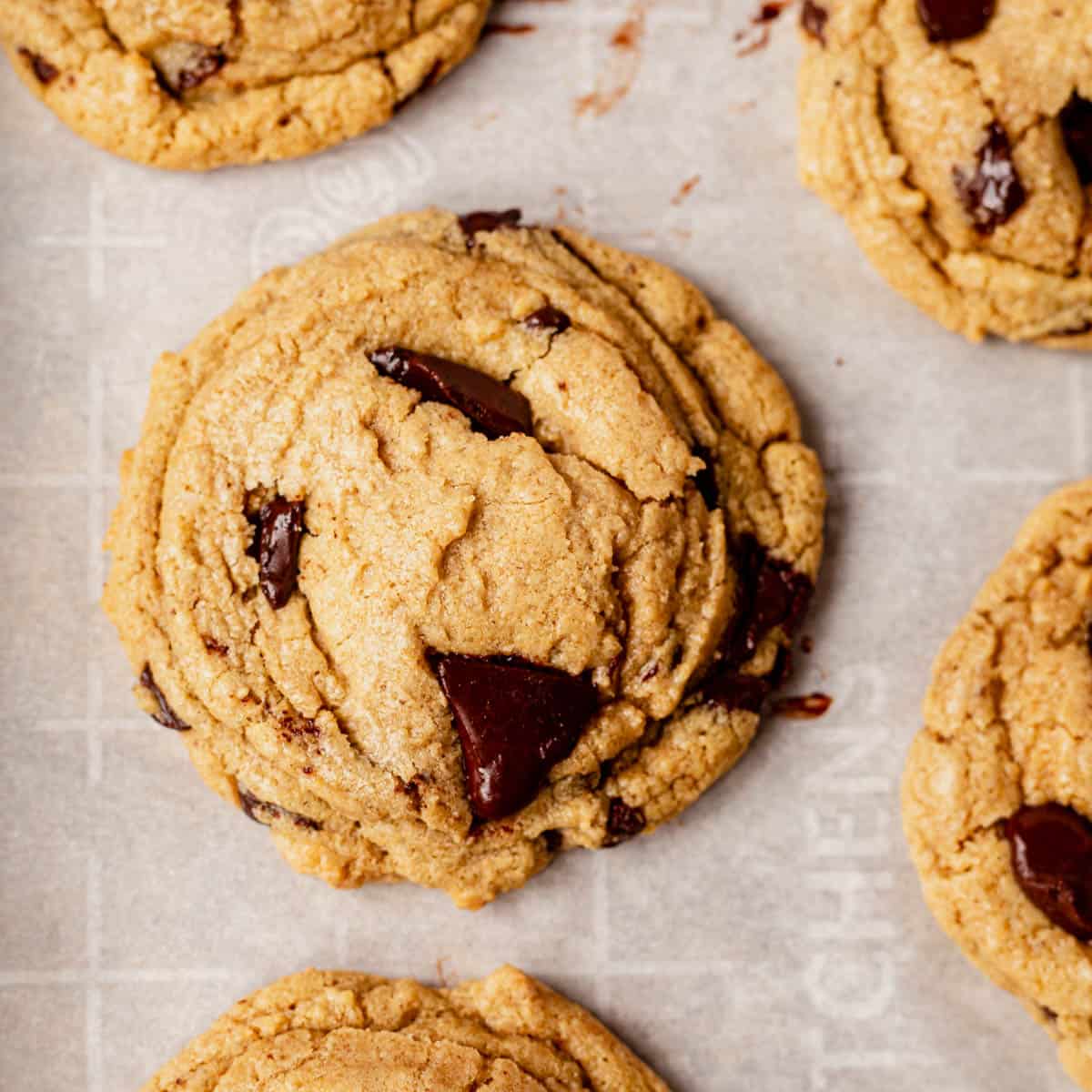
Imagine a cookie that perfectly marries the rustic charm and comforting flavor of an oatmeal cookie with the irresistible gooey, chocolatey embrace of a classic chocolate chip cookie. That's precisely what you get with oat flour chocolate chip cookies – a chewy, deeply satisfying treat that has captivated bakers and cookie enthusiasts alike. These aren't just any cookies; they're a revelation for anyone seeking a unique texture, a wholesome twist, and the convenience of a recipe that's effortlessly freezable for whenever a craving strikes.
Oat flour has emerged as a star ingredient in the world of baking, offering a distinct profile that's both delicious and nutritious. Unlike traditional wheat flour, oat flour brings a natural sweetness, a subtle nutty undertone, and an unparalleled chewiness that transforms ordinary cookies into extraordinary ones. Whether you're navigating dietary preferences like gluten-free baking or simply seeking to elevate your cookie game, mastering oat flour chocolate chip cookies promises a rewarding experience. Let's delve into the secrets behind these delectable treats, from understanding the magic of oat flour to perfecting your baking technique and making the most of their freezable convenience.
The Unique Allure of Oat Flour Chocolate Chip Cookies
What truly sets oat flour chocolate chip cookies apart is their extraordinary texture and depth of flavor. Picture a cookie with a thick, soft center that yields to a gentle bite, surrounded by delightfully chewy edges. This isn't just an aspiration; it's the inherent characteristic that oat flour brings to the table. The oats themselves impart a wonderful, comforting oatmeal essence, making these cookies a sophisticated cousin to your grandma's classic oatmeal raisin, but with the universal appeal of rich chocolate chunks.
Beyond their sensory appeal, these cookies offer significant advantages. For starters, they naturally lend themselves to being chewy gluten-free oat flour chocolate chip cookies, making them an excellent choice for individuals avoiding gluten. While not all oat flour is certified gluten-free (cross-contamination can occur during processing), choosing certified gluten-free oat flour ensures a safe and delicious treat for those with sensitivities. Additionally, oat flour is a whole grain, contributing a wealth of nutrients like fiber, protein, and essential minerals. This means you can indulge in a cookie that feels a little more wholesome, making it a favorite for families and anyone looking to incorporate more nutrient-dense ingredients into their diet.
The secret to their signature chewiness lies in the unique composition of oat flour, particularly its high content of beta-glucans. These soluble fibers are renowned for their ability to absorb moisture and create a wonderfully chewy, almost gummy texture that is highly desirable in cookies. This also helps create a thicker cookie that resists excessive spreading, resulting in those perfectly plump, satisfying bites. Furthermore, oat flour's natural slight sweetness means you might even be able to subtly reduce the overall sugar content in some recipes without compromising flavor, though for these chocolate chip delights, the sugar plays a crucial role in both taste and texture.
Demystifying Oat Flour: Store-Bought vs. Homemade
One of the most common questions for anyone venturing into oat flour baking is whether to make it from scratch or opt for store-bought. While the idea of milling your own flour at home can seem appealing for its perceived freshness or cost-saving, for oat flour chocolate chip cookies, store-bought oat flour is overwhelmingly the superior choice for optimal results.
Why Store-Bought Reigns Supreme
- Fineness of Mill: Commercial oat flour is milled to an incredibly fine consistency, far beyond what most home food processors can achieve. This ultra-fine grind is critical for proper absorption of liquids in your cookie dough. If the flour isn't fine enough, it won't absorb moisture evenly, leading to a gritty texture and an inconsistent crumb.
- Absorption and Texture: The fineness directly impacts the flour's thickening power and its ability to create the desired chewy texture. Coarsely ground homemade oat flour won't bind as effectively, resulting in cookies that might be crumbly, too flat, or simply lack that characteristic chewiness we're aiming for.
- Consistency: Store-bought oat flour offers reliable consistency from batch to batch, ensuring your cookies turn out perfectly every time. This uniformity is especially important in baking, where precise ratios and textures are key.
- Type of Oats: While you might use rolled oats for homemade flour, commercial oat flour often uses specifically selected oats or processes that further enhance its baking properties.
The good news is that high-quality oat flour is readily available and quite affordable, typically costing just a few dollars per bag. Brands like Arrowhead Mills are widely available in health food stores and even conventional supermarkets. Once you have a bag, you'll find yourself reaching for it frequently, as it's incredibly versatile for pancakes, waffles, muffins, and even brownies – truly an ingredient that unlocks chewy & nutritious: the power of oat flour cookies and beyond.
A Word on Homemade (If You Insist)
If you absolutely must try making your own, use old-fashioned rolled oats (not instant or steel-cut). Blend them in a high-speed blender for several minutes until they reach the finest powder possible. Sift the flour to remove any larger pieces, re-blending the coarser bits. Be prepared for a potentially different texture in your cookies compared to using commercial oat flour. It's an experiment, not a guarantee of the perfect chewy cookie.
Baking Secrets for the Perfect Oat Flour Cookie
Achieving those ideal chewy, chocolatey, and flavorful oat flour chocolate chip cookies involves a few key ingredient choices and techniques that are worth understanding.
The Sweet Science of Sugar Selection
When it comes to cookies, sugar isn't just for sweetness; it plays a vital role in texture and flavor development. For ultimate chewiness, dark brown sugar is your best friend. Why?
- Molasses Content: Dark brown sugar contains a higher percentage of molasses than light brown sugar. Molasses is hygroscopic, meaning it attracts and retains moisture, which directly contributes to a chewier cookie. It also adds a deeper, more complex caramel-like flavor.
- Impact on Spread: Brown sugar (both light and dark) helps control cookie spread, resulting in a thicker cookie. Granulated sugar, on the other hand, melts quickly and encourages cookies to spread more, leading to a thinner, crispier result – which is precisely what we want to avoid for these chewy delights.
While you can use light brown sugar, understand that it will result in a slightly less flavorful and less chewy cookie due to its lower molasses content. Granulated sugar is a definite no-go for this recipe; it will completely alter the desired chewy texture to a crunchy one.
Choosing Your Chocolate Wisely
The type of chocolate you use can significantly impact the cookie experience. While chocolate chips are convenient, many bakers, myself included, prefer using a high-quality chocolate bar chopped into chunks.
- Varied Textures: Chopping a chocolate bar creates irregular pieces – from small shards that melt into the dough to larger chunks that create decadent puddles of warm, gooey chocolate. This varied texture enhances every bite.
- Flavor Depth: Dark chocolate, especially varieties with 60-70% cocoa solids, provides a beautiful counterpoint to the sweetness of the dough and the wholesome flavor of the oats. Its slight bitterness adds complexity and prevents the cookies from being overly sweet.
- Better Melt: High-quality chocolate bars tend to melt more smoothly and silkily than many commercial chocolate chips, which often contain stabilizers to hold their shape during baking. This results in those coveted pockets of molten chocolate.
Feel free to experiment with milk chocolate or semi-sweet chocolate if you prefer a sweeter profile, but a good quality dark chocolate truly shines here.
Butter: More Than Just Fat
Butter is fundamental to flavor and texture. While American-style butter (typically around 80% butterfat) works perfectly well, using a higher butterfat percentage butter, like many European or Irish brands (e.g., Kerrygold, often 82-84% butterfat), can subtly elevate your cookies.
- Richness and Flavor: Higher butterfat means less water content. Less water leads to a richer, more concentrated butter flavor and a tenderer crumb.
- Mouthfeel: The extra fat contributes to a luxurious, melt-in-your-mouth quality that is undeniably delightful.
That said, don't feel compelled to splurge on special butter. If American-style butter is what you have, your cookies will still be absolutely delicious. Just ensure your butter is at room temperature when you begin, as this allows it to cream properly with the sugar, incorporating air for a light yet chewy texture.
Mastering Make-Ahead and Freezing for Fresh-Baked Bliss
One of the most incredible benefits of oat flour chocolate chip cookies is how wonderfully they lend themselves to being prepared in advance and frozen. This means you can always have warm, fresh-baked cookies on demand, whether for an unexpected guest, a sudden craving, or simply to streamline your baking process.
Preparing Dough Ahead of Time
Making the dough a day or two in advance and refrigerating it can actually improve the flavor and texture of your cookies. The ingredients have more time to meld, leading to a deeper, more complex taste. Additionally, chilling the dough solidifies the fats, which helps prevent excessive spreading in the oven, ensuring your cookies stay thick and chewy.
- Refrigeration: Once your dough is mixed, cover it tightly with plastic wrap and refrigerate for at least 30 minutes, or up to 2-3 days. Longer chilling times (24-48 hours) are often cited by pro bakers for enhanced flavor.
- Baking Chilled Dough: When ready to bake, scoop the dough directly from the fridge. You might need to add a minute or two to the baking time if the dough is very cold.
Detailed Freezing Instructions
Freezing cookie dough is a game-changer for convenience and preventing cookie overload.
- Scoop Portions: Scoop your cookie dough into individual portions using a cookie scoop onto a parchment-lined baking sheet. Space them out slightly.
- Flash Freeze: Place the baking sheet with the scooped dough into the freezer for 30-60 minutes, or until the dough balls are firm. This "flash freezing" prevents them from sticking together.
- Transfer to Storage: Once firm, transfer the frozen dough balls to a freezer-safe zip-top bag or airtight container. Label with the date and baking instructions (e.g., "Bake from frozen at 350°F for 14-16 minutes").
- Storage Duration: Frozen cookie dough can typically be stored for up to 2-3 months without significant loss of quality.
Baking from Frozen
To enjoy warm, gooey cookies anytime, simply retrieve your desired number of frozen dough balls from the freezer. Place them on a parchment-lined baking sheet and bake directly from frozen. You'll likely need to add an extra 2-4 minutes to the original baking time, depending on your oven and the size of your cookies. Keep an eye on them, looking for golden-brown edges and a slightly set, but still soft, center.
Troubleshooting Common Oat Flour Cookie Issues
Even with the best recipes, sometimes things don't go exactly as planned. Here are some common issues you might encounter with oat flour chocolate chip cookies and how to troubleshoot them:
- Cookies are too crumbly: This often indicates too much flour or insufficient moisture. Ensure you're measuring your oat flour accurately (ideally by weight, if possible, or using the spoon-and-level method). If the dough still seems dry, a tiny splash of milk or a little extra melted butter can sometimes help.
- Cookies are too flat: Several factors can cause flat cookies. Warm butter, using granulated sugar instead of brown sugar, an oven that's not hot enough, or dough that wasn't chilled can all contribute. Make sure your butter is cool room temperature, use dark brown sugar, preheat your oven properly, and chill your dough.
- Cookies aren't chewy enough: This is usually a sugar problem. Granulated sugar will always yield a crispier cookie. Ensure you're using dark brown sugar as specified. Overbaking can also dry out cookies and make them less chewy, so keep an eye on the baking time and remove them when the edges are set but the centers still look slightly soft.
- Gritty texture: If you made your own oat flour, it's likely not fine enough. Store-bought oat flour is essential for a smooth, tender crumb.
Conclusion
Mastering oat flour chocolate chip cookies opens up a world of delightful possibilities in your kitchen. From their irresistible chewy texture and comforting oatmeal flavor to their inherent gluten-free potential and nutritious profile, these cookies are a truly special treat. By understanding the unique properties of oat flour, making smart choices about your ingredients, and leveraging the convenience of make-ahead and freezing techniques, you're well on your way to baking batches of perfect, satisfying cookies every time. So grab your oat flour, your favorite chocolate, and get ready to experience a cookie that’s destined to become a new favorite in your baking repertoire.
